Why Push exists
Most of what we think is ours was handed to us. From family, culture, experience, from people who said things with confidence and we absorbed them. We carry more borrowed beliefs than we realize. We just never stopped to look.
With the advent of AI and writing assistant tools, autocomplete finishes your sentence. Paraphrase tools clean your argument. "Improve this writing" smooths it over before you have to sit with the rough version. I started using these tools and noticed something: I was getting faster and shallower at the same time.
Push is a contrarian bet. Most AI agrees with you.It completes what you started, smooths what you wrote, and makes your argument sound cleaner than it is. Push does the opposite. Write what you think. Push argues back.Tells you where you were surface level, where you went deeper, and where you need to push through.
If you find yourself sounding more like everyone else lately, that's the symptom Push is built for.
Here's what it looked like for me
One morning I sat with a sentence I'd been carrying for years without questioning. Expectation is the root cause of suffering. Where did I get this? Did I actually believe it? I opened a notebook.
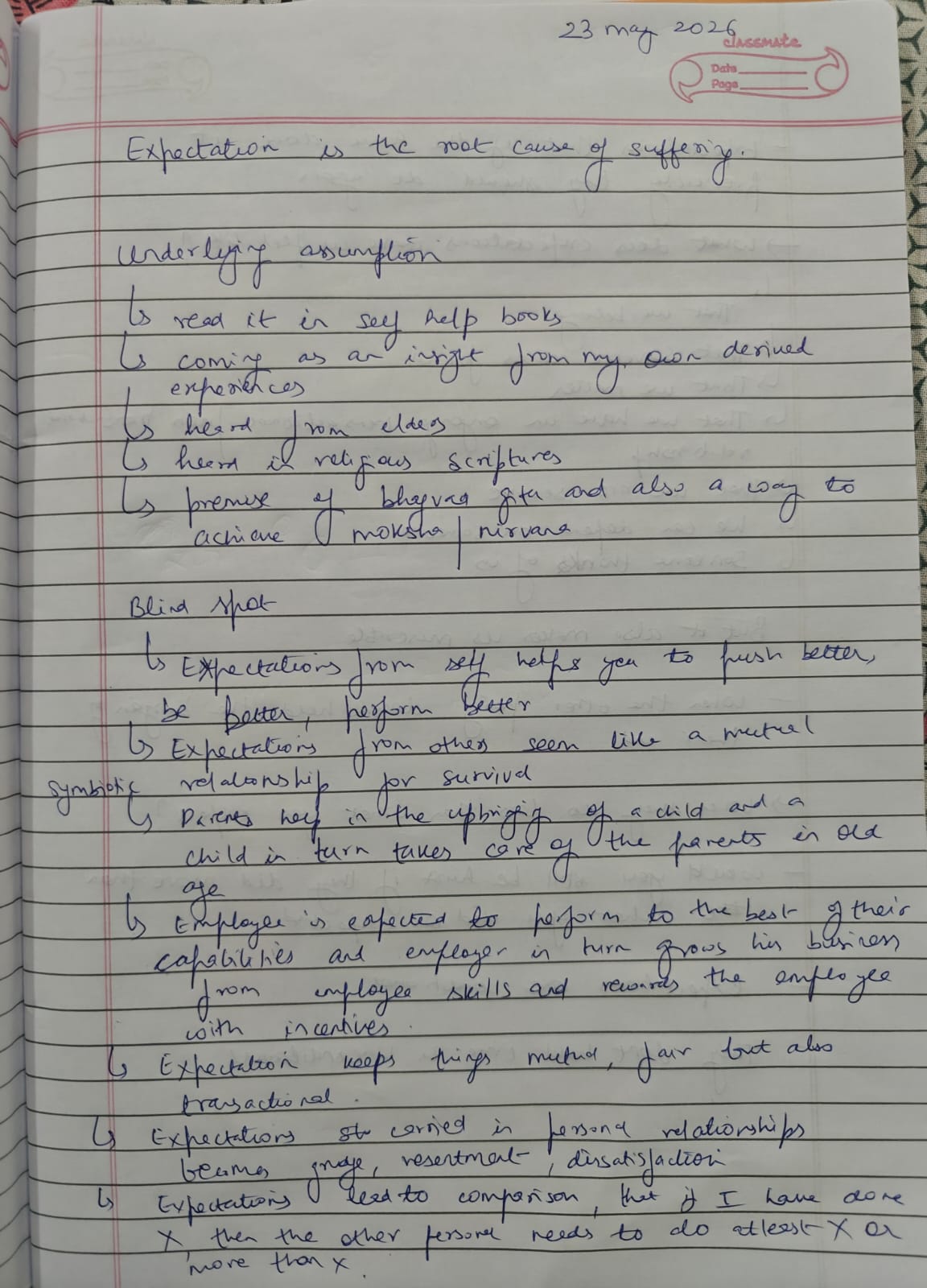
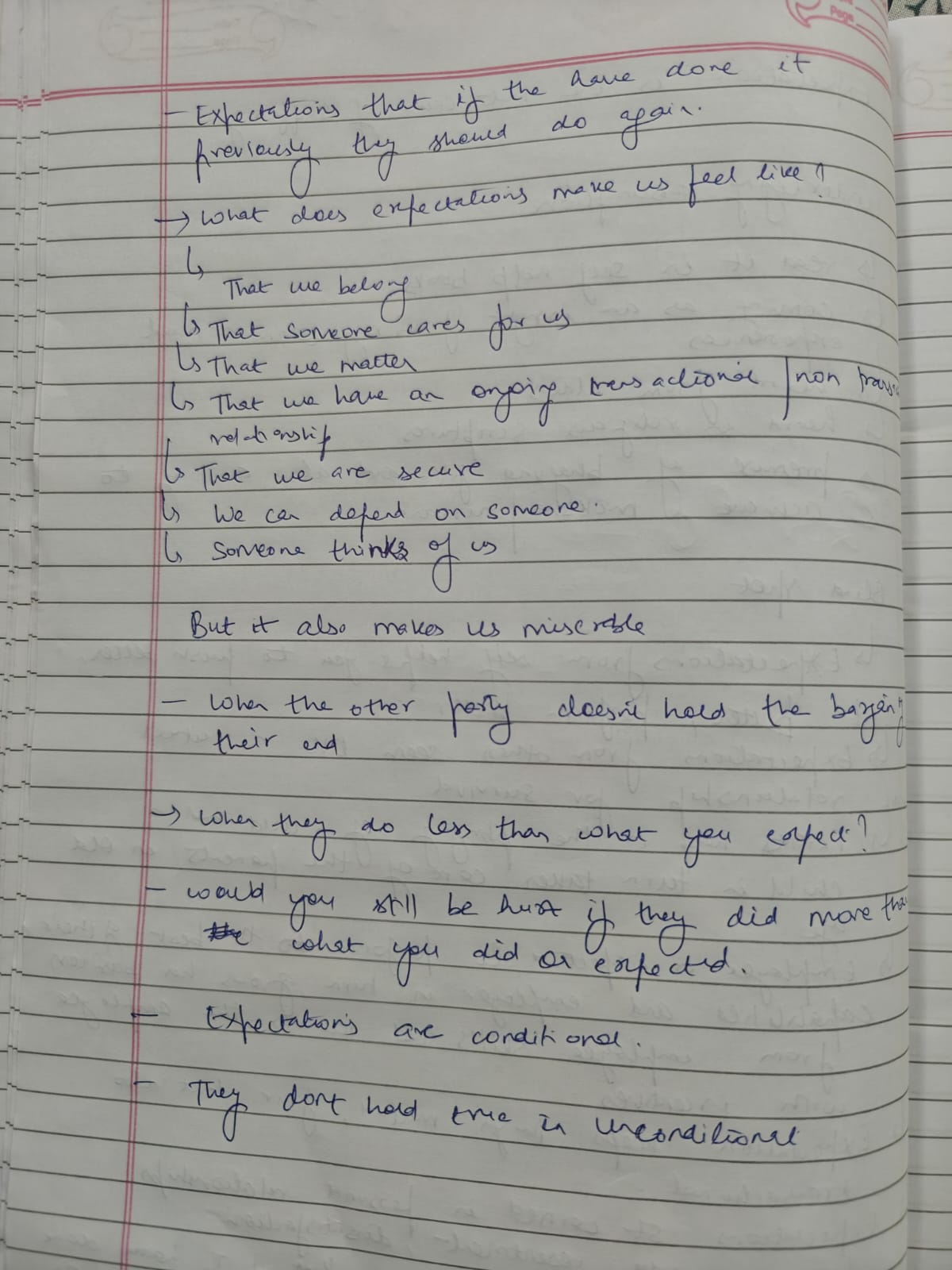
Twenty minutes later, I had two pages of half-formed thoughts. Some real, some borrowed. I couldn't tell which were which.
Here's what Push said back:
You challenged the premise by identifying expectation's functional roles, then closed too neatly with an undefined ideal.
What Push isn't
It's not a journaling app. It's not therapy. It's not a productivity tool. It's a practice. The people who keep coming back are practicing finding their own voice, one entry at a time.
If that's the kind of practice you're looking for, you're in the right place.
Start thinking →